


A cruise to Antarctica is the best option to explore this remote part of the planet as there is no hotel infrastructure on the continent for tourism. The ship will be your home during the trip.
Frequently asked questions
October to the beginning of December
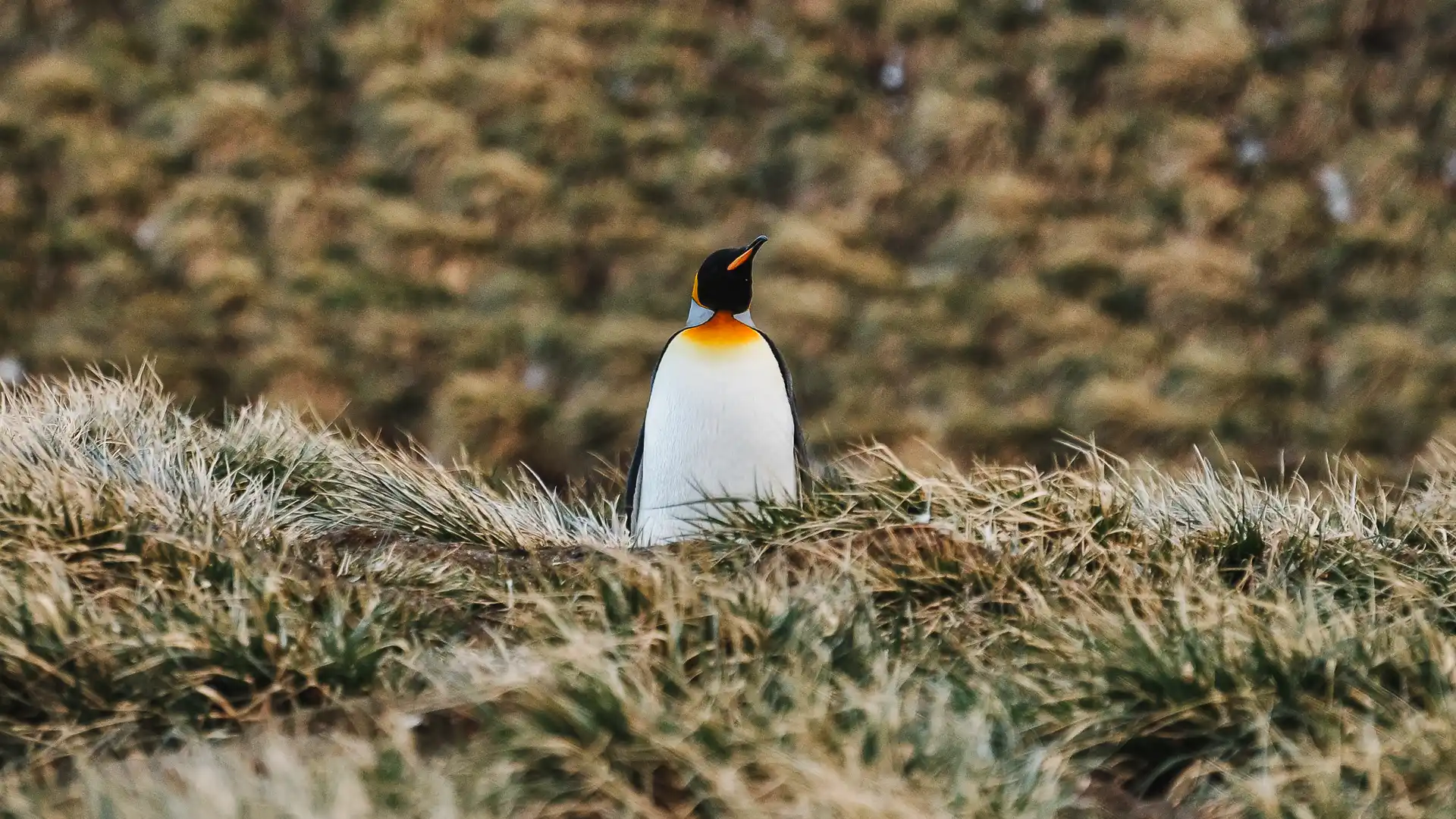
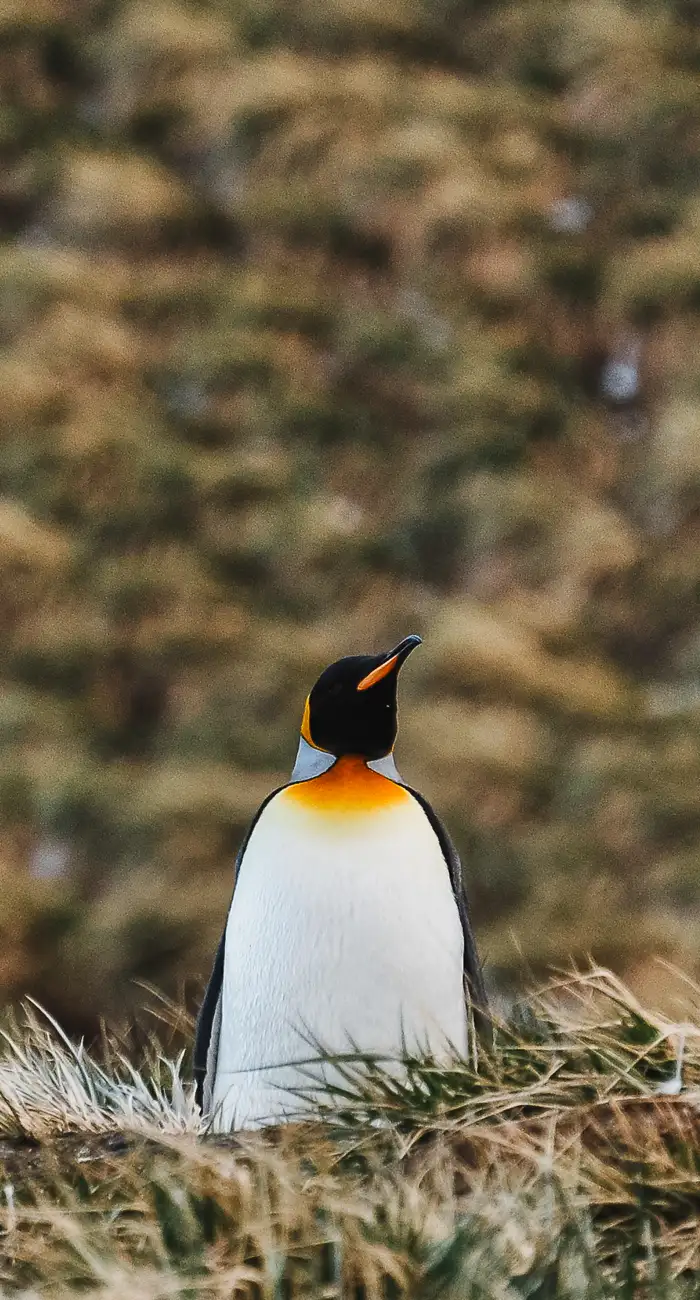
This is the time when the landscape looks more pristine as the continent is covered in snow from the top of the mountains to the coast. The Penguins arrive at the rookeries and start building their nests. It’s also the time with more chances to find sea ice when we are down south. This will give you the amazing opportunity to take in the sea ice environment: the pack ice and ice floes; with high chances to see seals resting on the ice; on the other hand it can also block many areas like channels, bays, and landing sites. During this period, penguins, shags and seabirds court and lay their eggs. Although there are always some opportunities to see whales, this is probably the time when we have less chances to see the giants of the sea, as they are still travelling from more temperate water where they breed to the Southern Ocean to feed.
December through February
At this time the snow starts to retreat, exposing rocky headlands and shorelines. The days are longer and there are 24hs of daylight. Early in December the penguins will still be busy laying eggs and tidying up the nests, by late December (depending on how much snow there was at the beginning of the season) or early January, penguin chicks hatch and start growing rapidly as their parents take turns feeding their young. Most whales are arriving and there are more chances to see them than at the beginning of the season. Sea ice starts to melt away and some channels will open up for navigation. However, due to the dynamics of the sea ice and the ocean currents, ice can block many places at any time of the year.
Mid-February to March
In the last part of the season, days will start getting shorter and shorter, but whales will come to feed. Seals haul out on the beach, adult penguins begin to moult, and chicks will start fledging. Adelie penguins will be the first ones to leave, followed by chinstrap penguins and the last ones to leave will be the Gentoo penguins. Antarctica is saying goodbye to the Southern summer. The highlights for travelers at the end of the season will be whales, red snow (snow algae) and fledging Gentoo Penguins.
The choice of clothing for cold climates is a very personal matter. It depends on your individual experience with cold conditions.
Are you more susceptible to cold temperatures than other people?
A common complaint is not the cold, it’s the wind, but an equally common polar maxim is there is no such thing as bad weather, only bad clothing! The secret to keeping warm is to dress in layers. It is better to have several light layers of clothing than one heavy layer. This also gives you flexibility in your clothing so you can take off a layer if you are too warm or put another layer on if you are cold. The most important layer is the outer waterproof and windproof shell because even a light wind of 6 kph (about 4 mph) can carry away eight times more body heat than still air! The so-called wind chill factor measures the increase in cooling power of moving air, whether it is wind that is blowing or it is you who is moving rapidly and, in effect, creating a wind against yourself.
We recommend dressing in layers so you can put on or take off clothing anytime you need it. Long thermal underwear, a thermal shirt and pants, and thermal socks are important. Bring a fleece or two (this is very personal) to put over the thermal layer. As per the outer layer, it is very important to bring waterproof clothing.
Waterproof Gear
• Waterproof jacket (some ships provide this)
• Waterproof trousers
• Waterproof gloves or mittens (two pairs to rotate when wet would be ideal)
• Rubber boots
Pull-on, unlined, knee-high boots are required for wet landings. Boots must be 14″-16″ high with strong, rubber-ridge, non-skid soles. These specifications are very important. You may be stepping into water up to 10″ deep on wet landings. Moon or leather boots are NOT appropriate.
Other layers
• Hat, scarf, or other face protection
• Fleece or sweaters
• Thermal socks (at least two pairs to rotate when wet)
• Warm pants
• Thermal or long underwear
• Lightweight shirts and T-shirts
• Comfortable and casual clothing to wear on board
Other Gear
• Sunscreen and lip protection (It is recommended high protection)
• Sunglasses
• Binoculars
• Plastic zip-lock bags will protect your camera and binoculars from wave splash and spray while in Zodiacs
• Backpack (ideal to bring extra layer ashore, water, binos, camera, etc)
Tips to stay warm
• Avoid overdressing to reduce perspiration.
• Wear water repellent outer garments that will keep you dry on the outside and still allow moisture from your body to escape.
• Body heat is most likely to be lost from parts that have a lot of surface area in comparison to total mass – namely, the hands and feet. • Keep them warm and dry. For hands, mittens are better than gloves.
• If you have cold feet, put a hat on. If the rest of your body is covered, as much as 90 percent of the heat you lose can come from your head, so be sure to wear a cap, beanie or balaclava. These items can be pulled down to protect your ears, forehead, neck and chin. The neck also needs protection with a woollen or synthetic scarf, which can be wrapped around the face when travelling against the wind.
• Dress in comfortable, loose layers. For anyone out in the cold, it is far better to wear layers of relatively light, loose clothing than one thick, heavy item. Between each layer there is a film of trapped air which, when heated by your body, acts as an excellent insulator.
• Wool and silk are superior to cotton because they can trap warm air. Synthetic fabrics that spring back into shape after compression are also good.
• When damp or wet, polyester down is a better insulator than goose or duck down. Polar fleece is popular and recommended.
Leave us your query
Leave us your message so we can advise you and make your stay at the End of the World unforgettable.